Anatolian Soul: Exploring the Heart of Turkish Traditions and Culture
Delve into the fascinating world of Turkish traditions. From the silent signal of yellow flowers to the hidden meanings of Turkish coffee, discover the soul of Anatolia.
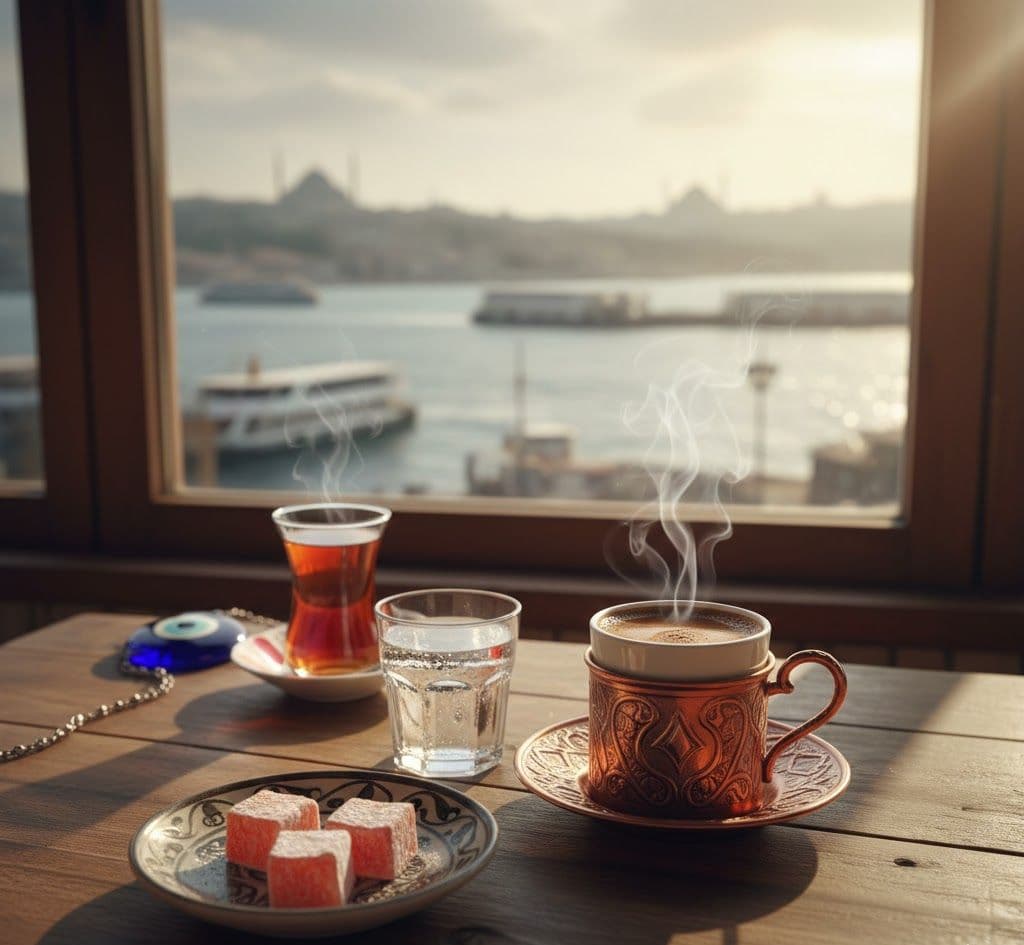
Anatolian Soul: A Journey Through Timeless Turkish Traditions
Turkish culture is a vibrant tapestry woven from centuries of Ottoman history and ancient Anatolian roots. At its heart lies a set of core values: benevolence, solidarity, and an unwavering commitment to hospitality. Many of these unique habits have not only shaped modern life in Turkey but have also left an indelible mark on global culture.
The Silent Language of Hospitality
In Turkey, kindness is often expressed through subtle, beautiful gestures that speak louder than words.
The Yellow Flower: In the Ottoman era, placing a yellow flower in a window was a silent signal that someone inside was ill. This prompted neighbors and children to be quiet and avoid disturbing the household—a profound example of community empathy.
The "Hungry Guest" Coffee Ritual: When a guest arrives, Turkish coffee is traditionally served with a glass of water. If the guest drinks the water first, it discreetly signals they are hungry, allowing the host to prepare a meal without the guest ever having to ask.
The Unexpected Guest: Turkish doors are traditionally open to everyone. During Ramadan, this is most evident as those in good financial standing often leave their doors open during iftar (the fast-breaking meal) so that anyone in need can join the table without hesitation.
Community Solidarity and Remembrance
Turkish traditions excel at "sharing the pain" and supporting neighbors during life’s most difficult moments.
Supporting the Grieving: When a neighbor passes away, it is customary for the community to provide food to the mourning family for ten days, ensuring they are cared for during their time of grief.
The Sweetness of Halva and Lokma: Distributing Lokma (fried dough) or Halva on the 7th, 40th, and 52nd days after a death is a "doing good" tradition. These sweets are shared with the neighborhood to honor the deceased and seek blessings (hayır).
Spilling Water for Travelers: As a loved one departs, spilling a bowl of water behind them or their car is a wish for their journey to be "as smooth and quick as flowing water" (Su gibi git, su gibi gel).
Daily Life: From Tea to the "Evil Eye"
The Thin-Waisted Tea Glass: The iconic ince belli glass isn't just for style; its shape keeps the tea hot at the bottom while cooling it at the top for the perfect sip. For a true Turk, tea simply isn't tea unless it’s in this glass.
The Evil Eye (Nazar Boncuğu): These blue, eye-shaped talismans are ubiquitous. They are believed to protect the wearer or the home from the "envious gaze" of others, blending ancient superstition with artistic tradition.
Neighborhood Relations: Turkish culture places immense value on neighbors. As the proverb says, "Gülme komşuna, gelir başına" (Don't laugh at your neighbor, it will happen to you). Neighbors are considered extended family, supporting each other through every challenge.
Ключевые слова
Теги